
Baton Rouge Development Trends 2026: Where the Growth Is Headed
Baton Rouge does not develop like it did ten years ago, and the difference is not just what is getting built. It is where, under what rules, and now, under whose zoning authority. St. George's incorporation is the biggest structural change to hit real estate development in this parish in at least a decade, and a lot of what follows sits downstream of it. Mixed-use is winning the zoning fights, stormwater has become a site-plan problem before it is a construction problem, and Congress just handed developers a tax incentive that changes the return on almost every ground-up deal in the pipeline. Here is what I am seeing across the corridors right now, starting with the one you cannot afford to ignore.
The Biggest Change in a Decade: St. George Has Its Own Zoning Authority Now
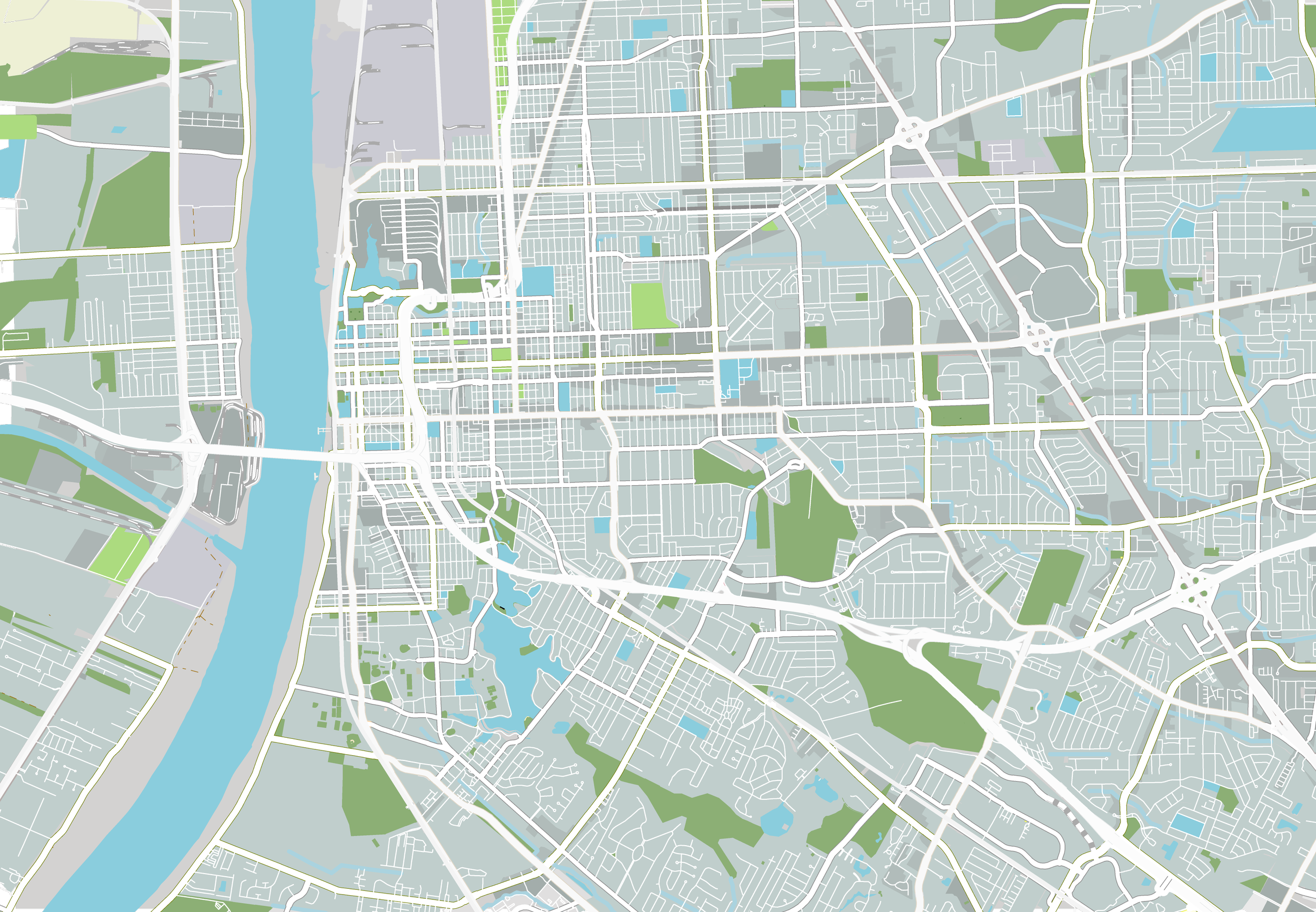
Everything else in this post assumes East Baton Rouge Parish is one zoning jurisdiction. It is not anymore, and if you are underwriting anything east or south of the Baton Rouge city limits, this is the trend that actually matters. St. George incorporated as its own city and now runs its own Unified Development Code, its own Planning and Zoning Commission, its own Board of Adjustment, and its own long-range plan, a Comprehensive Plan 2050 the city is targeting to finalize in August 2026 with a September community rollout. That is not a footnote. It is a second zoning authority operating inside a parish that only ever had one.
The test case is a roughly 58 to 60-acre commercial tract near the Pecue Lane and I-10 interchange. St. George moved to rezone the tract out of its longstanding C-2 commercial designation, the owner sued, and a 19th Judicial District Court judge has kept the city from enforcing that rezoning under a temporary restraining order while a preliminary injunction request works through the court. The same lawsuit, LRK, LLC v. City of St. George, also challenges whether the incorporation itself was ever legally finalized, and East Baton Rouge Parish has since moved to intervene on that specific question, because the incorporation date on record carries real money behind it, potentially $200 million or more in back sales tax collections, depending on which year the court settles on.
None of that is resolved as of this writing. What is resolved is the practical takeaway for anyone underwriting a deal in the area. Confirm which government actually holds zoning authority over a parcel before you underwrite it, not after. St. George's own zoning commission is already approving conditional use permits, sign waivers, and code amendments on its own calendar, separate from East Baton Rouge Parish's process, and its comprehensive plan will set land use expectations that may not match the parish's. Two governments, two codes, one map, and an active lawsuit over where the line even sits. That is the kind of complexity that used to only show up when a deal crossed a parish line. Now it can show up on the same corridor.
Mixed-Use Is Winning the Zoning Fights
Look at where East Baton Rouge Parish's Future Land Use maps are heading and the pattern is obvious. Corridors that used to be strictly commercial are increasingly designated Mixed Use, and the parish wants retail, office, and multifamily stacked together instead of another standalone pad site. That shift matters at the offer stage. A parcel zoned commercially today can still sit inside a Mixed Use future land use designation that shapes what the planning commission approves on your next site plan. Confirm both before you underwrite, not just the zoning that is live right now.
The Corridors Carrying the Traffic
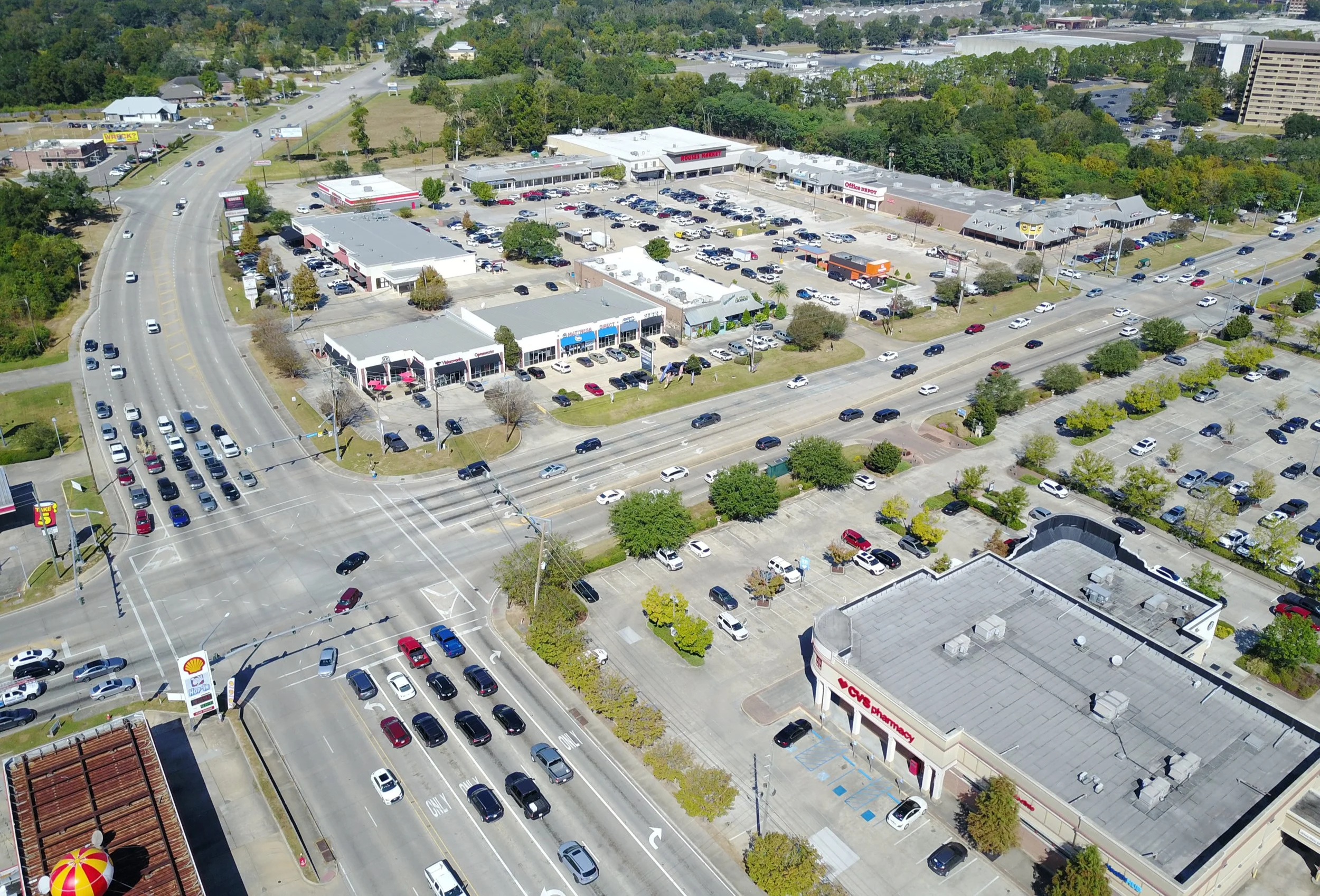
Traffic counts tell you where the rooftops and the retail dollars are, and they are worth checking rather than assuming. Bluebonnet Boulevard is running north of 44,500 vehicles a day and has kept climbing. Perkins Road is a more interesting story: about 23,800 vehicles a day in 2023, actually down from just under 29,600 back in 2005, which tells you traffic patterns on that corridor have shifted over the last two decades even as Bluebonnet kept growing. Read the actual zoning subcategory on any corridor before you underwrite a site, too. One classification might cap you at a handful of fueling positions and prohibit a car wash outright. The zoning code has apparently decided Baton Rouge has enough of those for now. A classification a block over allows a convenience store with gas sales outright. The color on the zoning map is not the whole story.
Stormwater Is the New Site-Plan Constraint
The East Baton Rouge Stormwater Master Plan has quietly become one of the biggest variables in whether a project pencils. If your site sits in a designated conveyance zone and your plan involves fill or new construction, expect to complete an Offsite Drainage Assessment against the parish's hydraulic model before you get approved, proving your project does not push water onto your neighbor's problem. That is real engineering time and real engineering cost, and it belongs in your pro forma from day one, not something you discover in month four of entitlements.
The Tax Law Just Changed the Math
This is the headline for anyone underwriting new construction or a value-add acquisition in 2026. Bonus depreciation is back to 100 percent, permanently, for qualifying property placed in service after January 19, 2025, under the One, Big, Beautiful Bill Act. Pair that with a cost segregation study on a new building and you can write off a meaningful share of the project in year one instead of over 27.5 or 39 years. That is not a marginal change. It is the difference between a deal that needs five years to make sense on paper and one that makes sense the day you close. If you have been sitting on a development decision waiting for tax clarity, you have it now. Talk to your CPA about the specifics before you rely on any of this, but it belongs in every 2026 pro forma.
Industrial Still Has the Least Room to Move
Every trend list needs one boring, reliable entry, and this is ours. Industrial space along the river corridor and near the Port of Greater Baton Rouge remains the tightest asset class in the region. New supply is limited, land near the port is not making more of itself, and tenants are still competing for the same flex and warehouse buildings they were fighting over a year ago. If you are developing anywhere near the port, you are not speculating. You are filling a gap that already exists.
Incentives Are Still on the Table, If You Ask
Opportunity Zone designations, local tax abatements, and job-creation credits have not gone anywhere, and too many developers still treat them as an afterthought instead of a site-selection input. Check whether your target parcel sits in a designated zone before you fall in love with it, not after you already have a contract. It can change the entire capital stack.
Corridor Traffic Counts at a Glance

The Bottom Line
2026 rewards the developer who plans for stormwater and zoning nuance from day one and takes full advantage of a tax code that is finally on their side again. Baton Rouge is growing along the same corridors it always has: Bluebonnet, Perkins, Siegen, the river. What has changed is how much homework you need to do before you break ground, how much the IRS will now let you keep once you do, and, if your site sits anywhere near St. George, which government you actually need that homework approved by. That line is still being drawn in court.
If you are evaluating a development site in Baton Rouge or anywhere in South Louisiana and want the zoning, stormwater, and tax picture pulled together before you go under contract, call us at (225) 408-6595.
Momentum Commercial Real Estate
9420 Old Hammond Hwy, Baton Rouge, LA 70809.