
Retail Space for Lease in Baton Rouge: What You Need to Know Right Now
The Baton Rouge retail market does not sit still. If you have been hunting retail space for lease in this city, you already know that. Sites that were dark two years ago have new tenants. Corridors that looked finished are getting a second act. And the landlords who were cutting deals in 2021 are a little less generous today.
So let's talk about what is actually available, where demand is running hot, and what it costs to plant your flag in the Capital City.
The Baton Rouge Retail Market Snapshot
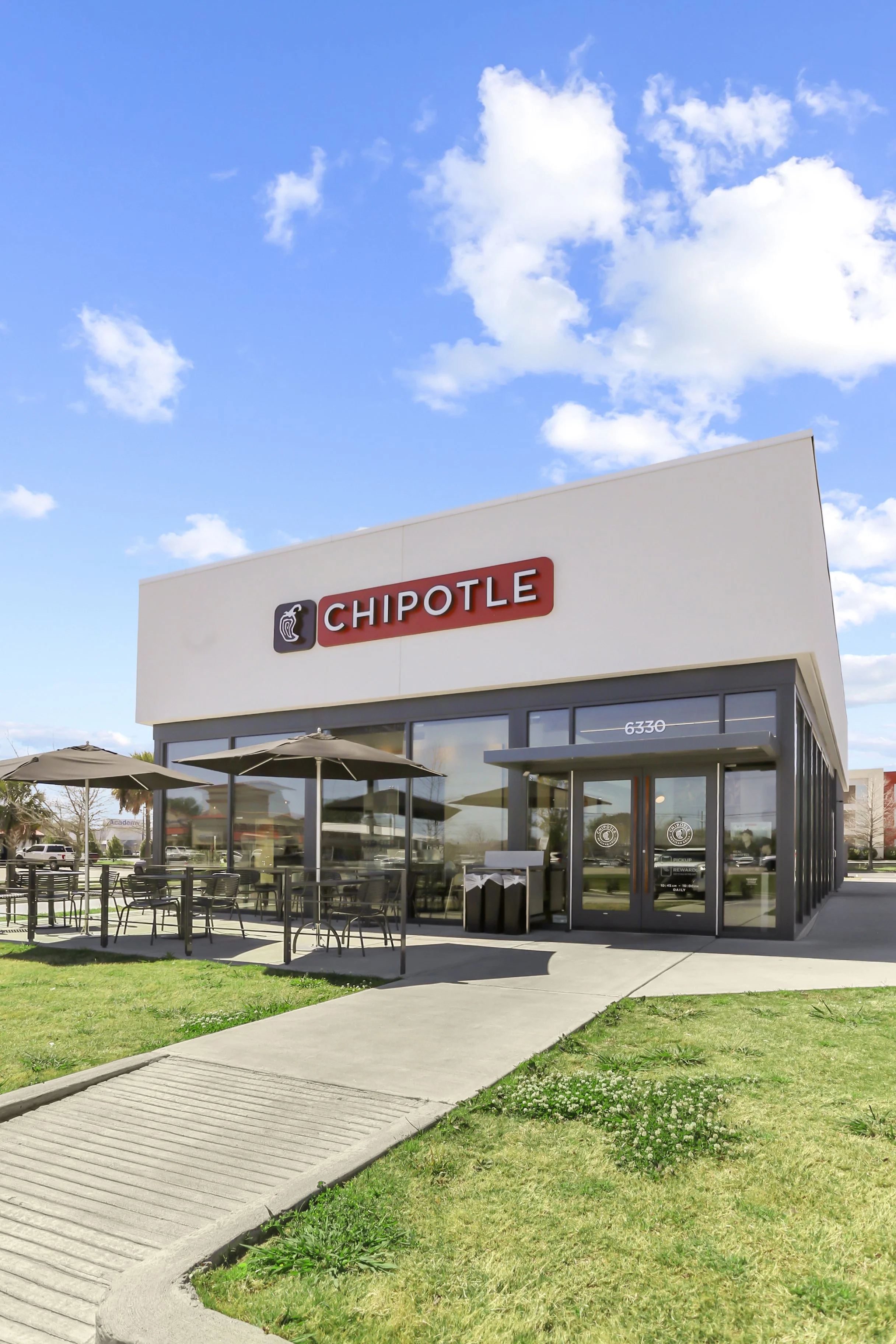
Baton Rouge is not overbuilt. That is the single most important thing to understand before you start your search. The national conversation about retail has been gloom-and-doom for years, but we never had the speculative development binge that got other markets in trouble. Our supply stayed disciplined, demand recovered, and vacancy in quality space is tight. The 2026 TRENDS retail survey put overall vacancy at 8.94%, but that average buries the real story.
Here is the real story. The flight to quality keeps widening the gap between anchored and unanchored centers. Anchored centers are sitting at 5.9% vacancy. Unanchored centers are at 17.4%. Tenants follow foot traffic, and foot traffic follows anchors. This is not complicated.
The corridors that consistently move space are running lean. Area 1, which covers Bluebonnet, Siegen Lane, and Perkins Road, commands the highest non-anchor collections in the market at roughly $28.20 per square foot, and those landlords are not in a panic. They do not need to be. Average non-anchor rent across the market climbed 2.4% year over year to $22.17 per square foot. The picture loosens up as you move out from the primary corridors. Zachary, for instance, carries the highest vacancy in the survey at 17.41%. If your concept can drive its own traffic, that is where the deals are. If you need co-tenancy to carry you, stick to the primary corridors.
What Retail Space Is Leasing in Baton Rouge
The strongest demand right now comes from three categories: food and beverage, health and wellness, and service tenants. Coffee, quick-service restaurants, fitness, nail salons, urgent cares. The TRENDS retail committee flagged exactly these, coffee, QSR, grocery, fitness, health and wellness, and discount, as last year's expansion leaders. These are the tenants winning the space war because they need a physical location to operate. You cannot get a blowout over the internet. Amazon is a lot of things, but they still have not figured out how to change your oil.
Soft goods and traditional apparel are still cautious. National retailers are right-sizing, which means smaller boxes in better locations. If you have a 4,000 to 6,000 square foot bay in a high-traffic center, you are in good shape. If you are trying to move a 15,000 square foot box that used to house a junior anchor, the conversation is harder and the timeline is longer.
One more thing worth knowing: the best supply of quality space right now is backfill from big-box bankruptcies, names like Conn's, Big Lots, and Bed Bath & Beyond. Conn's alone gave back both a retail box and a 250,000 SF distribution warehouse in Port Allen. With new development cost-prohibitive, expanding tenants are prioritizing that second-generation space, and it often comes at rents below what new construction would require. If you move quickly, that is where value lives.
What Tenants Are Asking For
Tenants are negotiating hard on two things: tenant improvement allowances and lease flexibility. The TI conversation has shifted. Two years ago landlords were generous with build-out dollars to fill space. Today, in the stronger submarkets, that generosity has limits. Tier 1 landlords are offering roughly $5 - $10 per square foot. in TI on a standard five-year deal. In softer locations you can push harder. And be ready for this wrinkle: many national tenants demand large improvement allowances, which drives up the headline rent without actually putting more in the landlord's pocket. Both sides know it.
Lease terms are the other fight. Tenants want flexibility. Landlords want commitment. That tension resolves differently based on the credit of the tenant and the quality of the location. A well-capitalized franchisee with 20 units gets a different conversation than a single-unit first-timer. That is not a knock. It is just math.
Where the Retail Opportunity Is in Baton Rouge
Here is the honest take on where I see value right now.
Prairieville and the US-61 corridor south of the city are still underserved relative to the rooftop count. Residential growth out there has outpaced retail development. If you are a concept with broad demographic appeal, that market is worth a serious look.
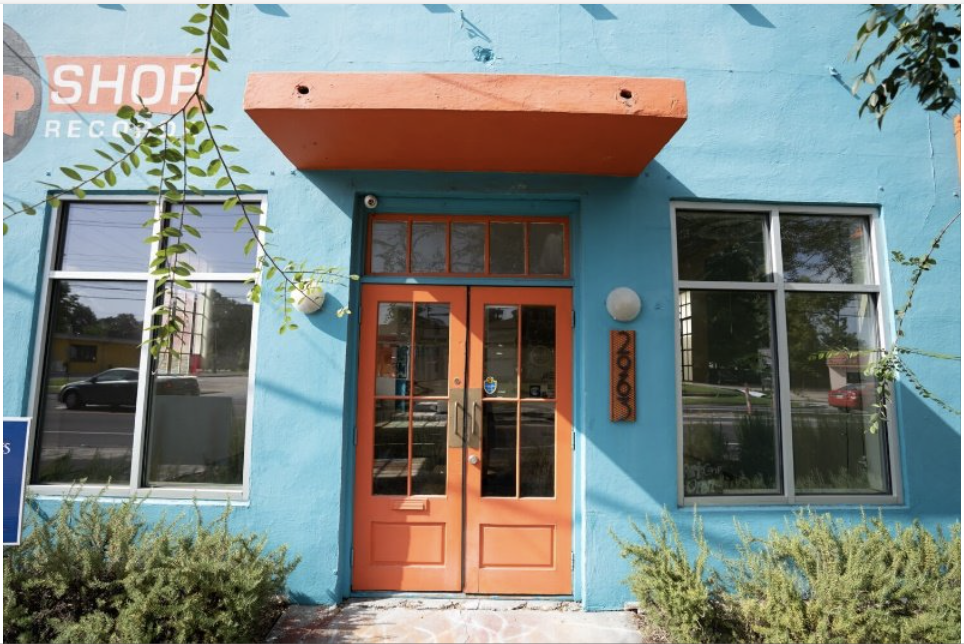
Mid-city Baton Rouge is having a moment. Perkins Road, Government Street, and the areas around the Shaw Center have drawn genuine activity from local and regional tenants who want character over cookie-cutter. Rents are lower, build-out is trickier, but the trade-area loyalty is real.
And downtown is not dead. It is not 2006, but it is not the ghost town some people would have you believe either. If your concept fits an urban customer, lunch, beverage, service, there is activity down there and deals to be made.
The Bottom Line
Retail space in Baton Rouge is available. Good retail space in good locations is not as available as it was three years ago. Rates in the primary corridors have firmed, landlords have more options than they did, and the tenants winning deals are the ones who come in prepared.
Know your trade area. Know your co-tenancy requirements. Know your TI budget and your buildout timeline. Show up with a real business plan and a broker who knows this market cold. If you are searching for retail space for lease in Baton Rouge, the deals are out there. You just have to know where to look.
Talk retail with Momentum: (225) 408-6595 | momentum-commercial.com
Charlie Colvin is a CCIM and Principal at Momentum Commercial Real Estate in Baton Rouge and serves on the TRENDS in Real Estate Retail Committee. Momentum specializes in retail leasing, sales, and investment throughout the Greater Baton Rouge market. Market data sourced from the 2026 Baton Rouge TRENDS in Real Estate report.